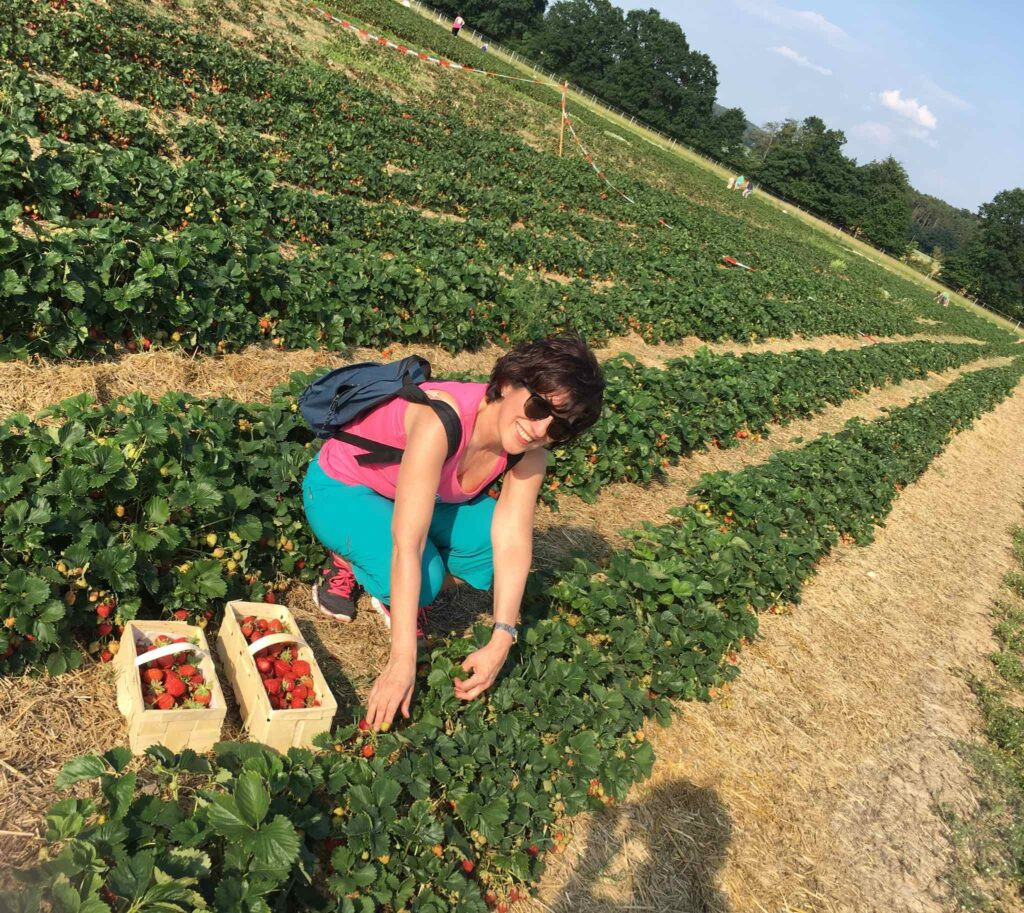
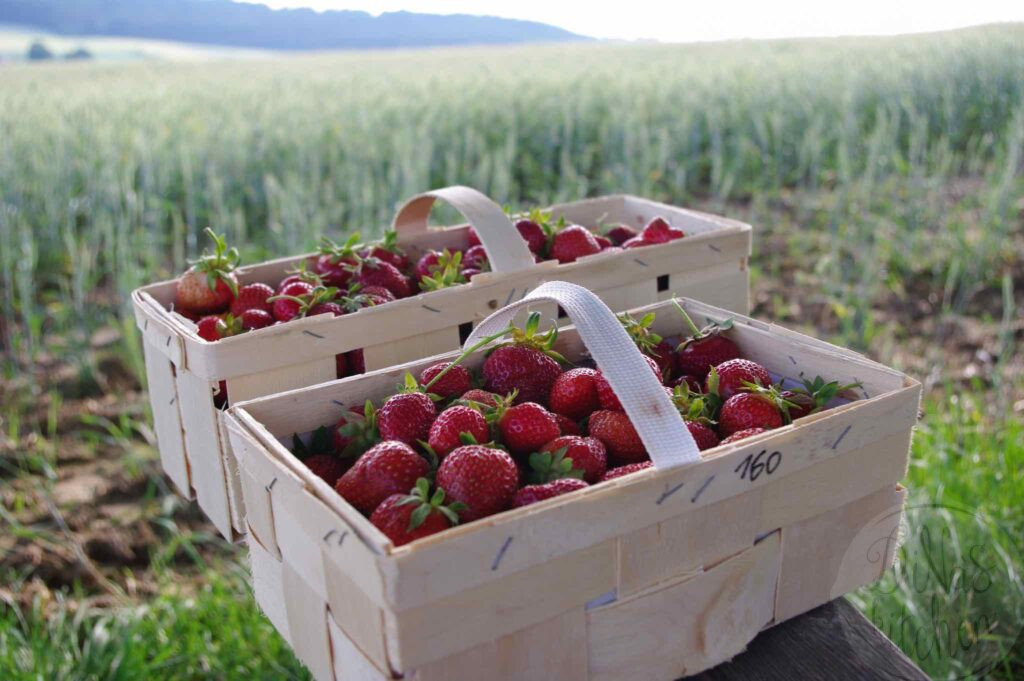
Just came back from the fields with enough strawberry for my yearly provision! Although walking the fields up and down was a bit strenuous in this unprecedented heat for this time of the year, I enjoyed every minute outdoors.
Seasonal Fruits
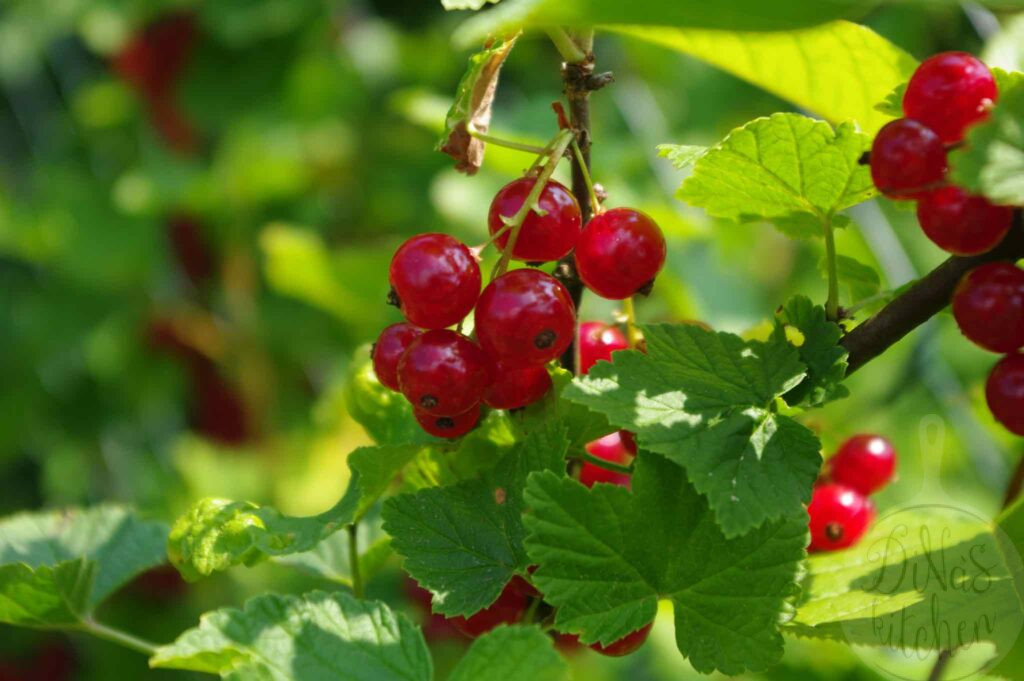
Strawberries are ripe already and I am a bit behind this year. We have been blessed with glorious weather and magnificent sunshine for a few weeks now, so that rhubarb, strawberries and red currant are simultaneously in season. I love the three of them, and prefer pairing them in my jams instead of cooking each alone. Thank God black currant ripens a bit later, giving me a little break!
Although botanically rhubarb is a vegetable, it is widely considered a culinary fruit as it is exclusively cooked with sugar in pies, cakes and jams. Rhubarb has a highly tart and slightly tangy flavour similar to crispy, unripe green apples. It is seldom eaten raw. When cooked, it becomes soft and its sourness mellows, adding a delicate tartness to sweets. I love to mix it in my strawberry jams to reduce sweetness.
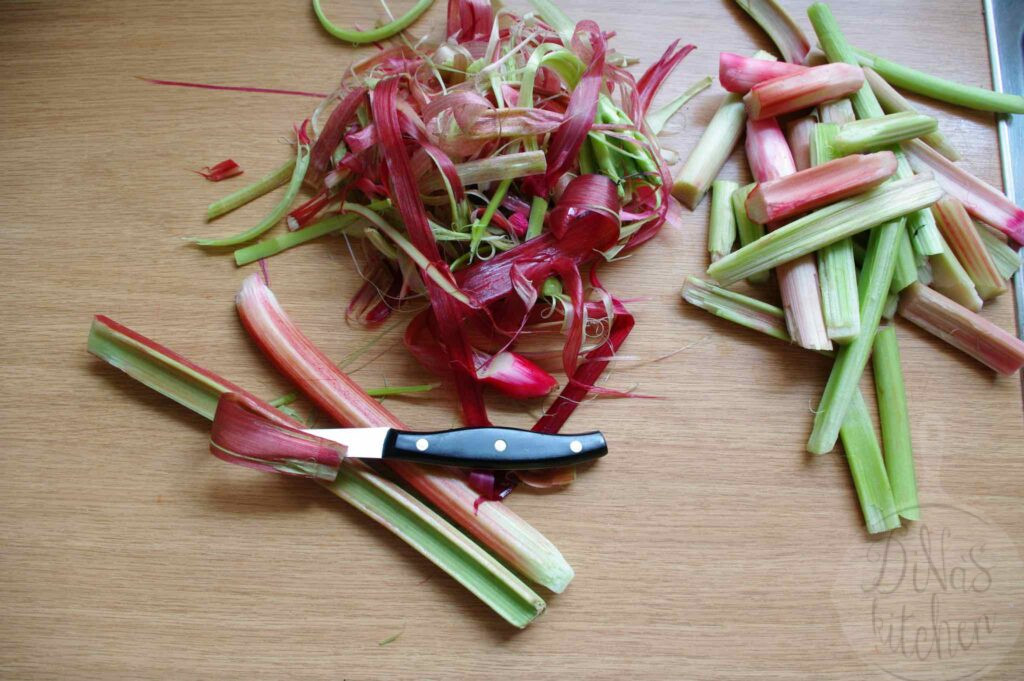
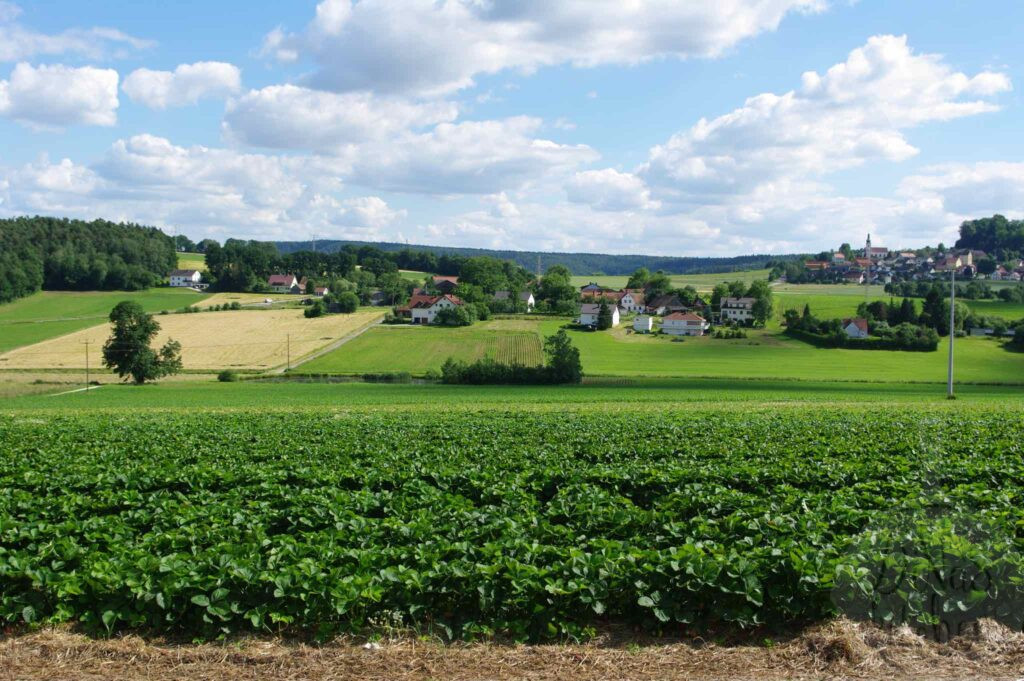
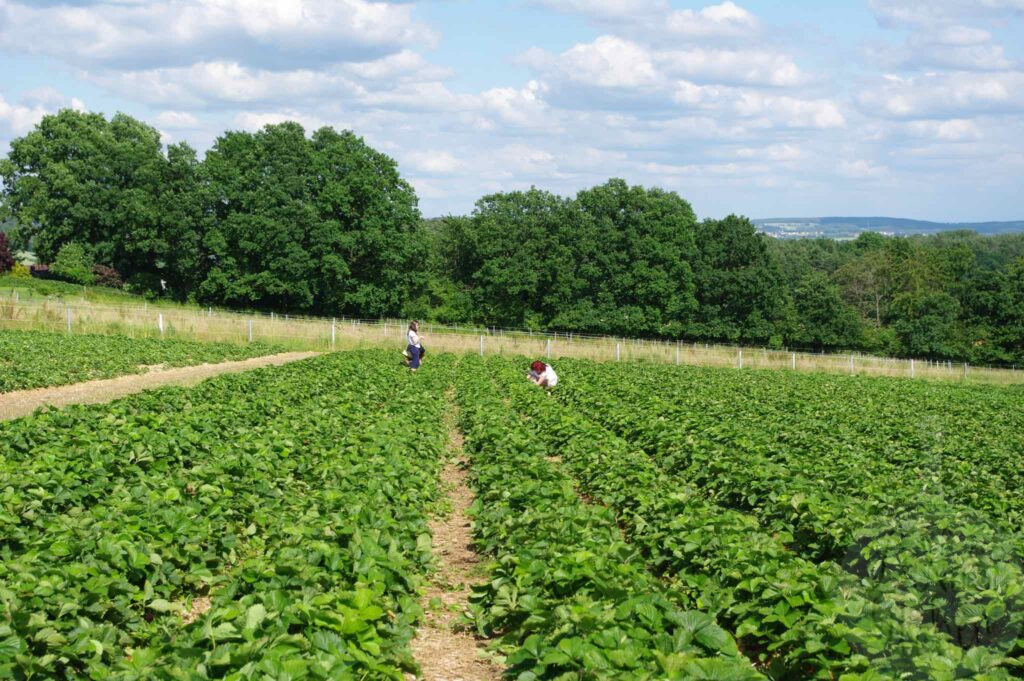
Luckily rhubarb is not much work as I buy it on the market. I could get regional strawberries at the supermarket as well, but I insist on picking them myself on a strawberry farm not far from our home. It has become a ritual each year, driving there and spending a couple of hours tasting at least half a pound and picking a few kilos. What follows at home is jam cooking, which I do the next day after I had prepared the fruits.
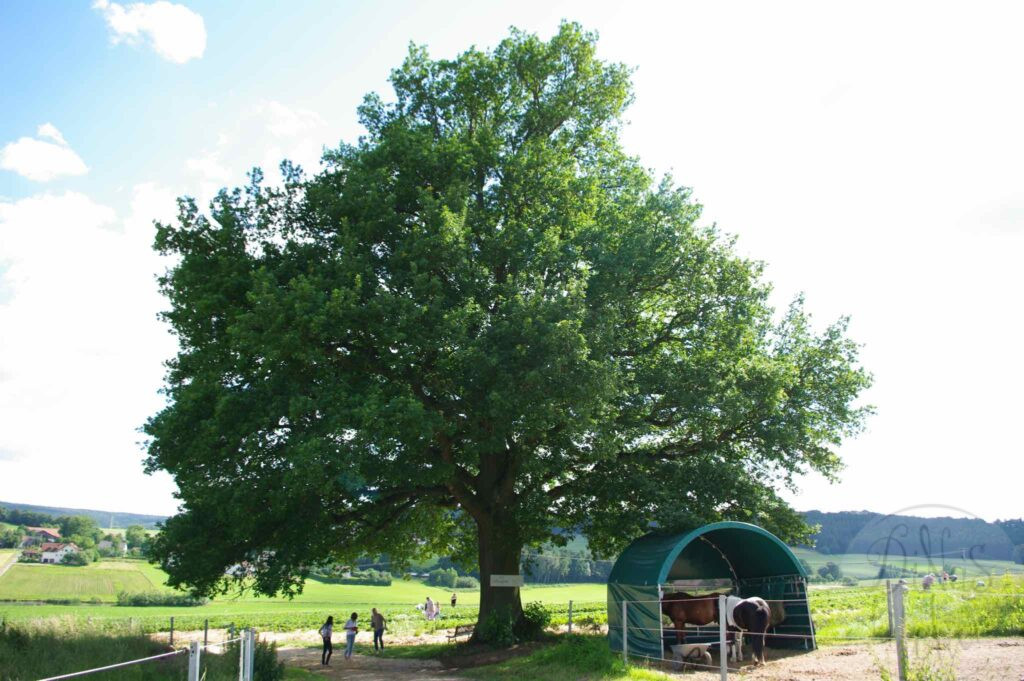
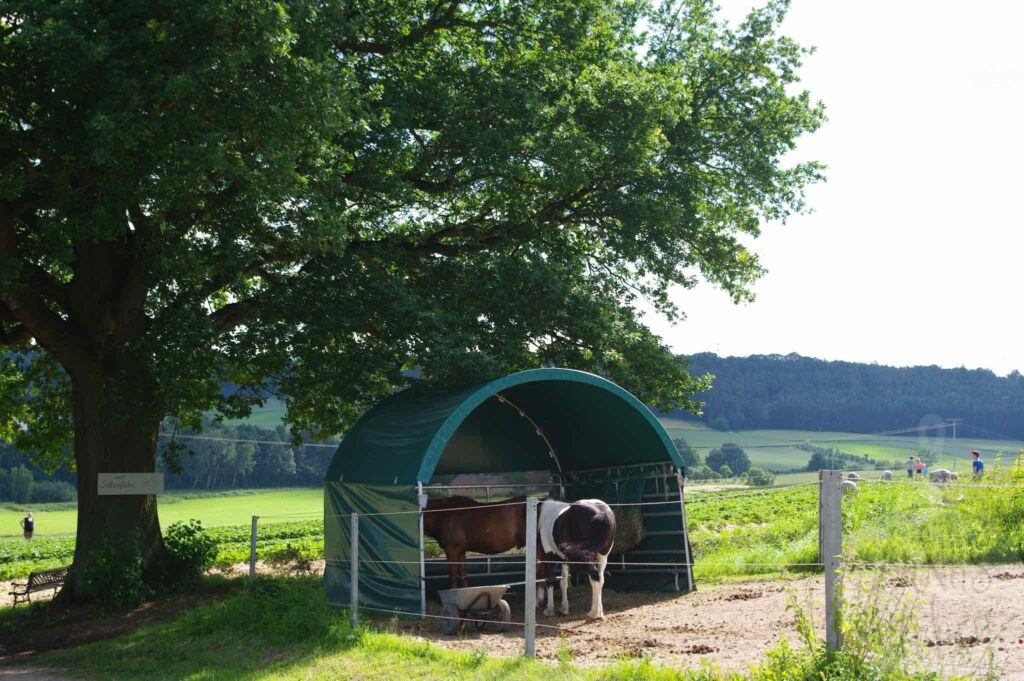
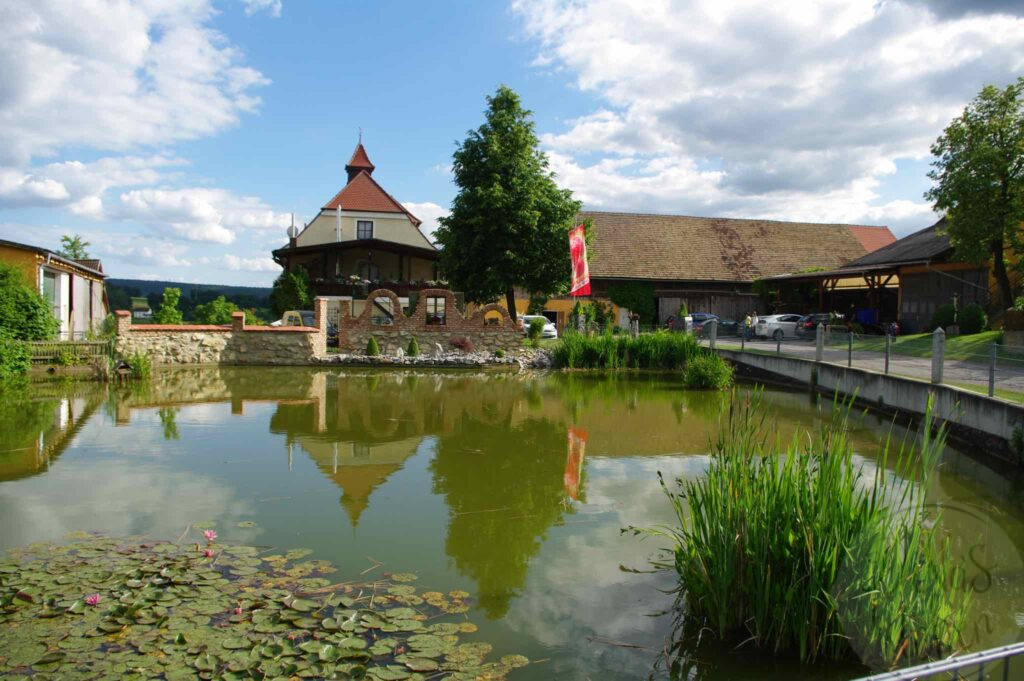
Photos of the Strawberry Farm “Rester Hof”
Jam making all year round
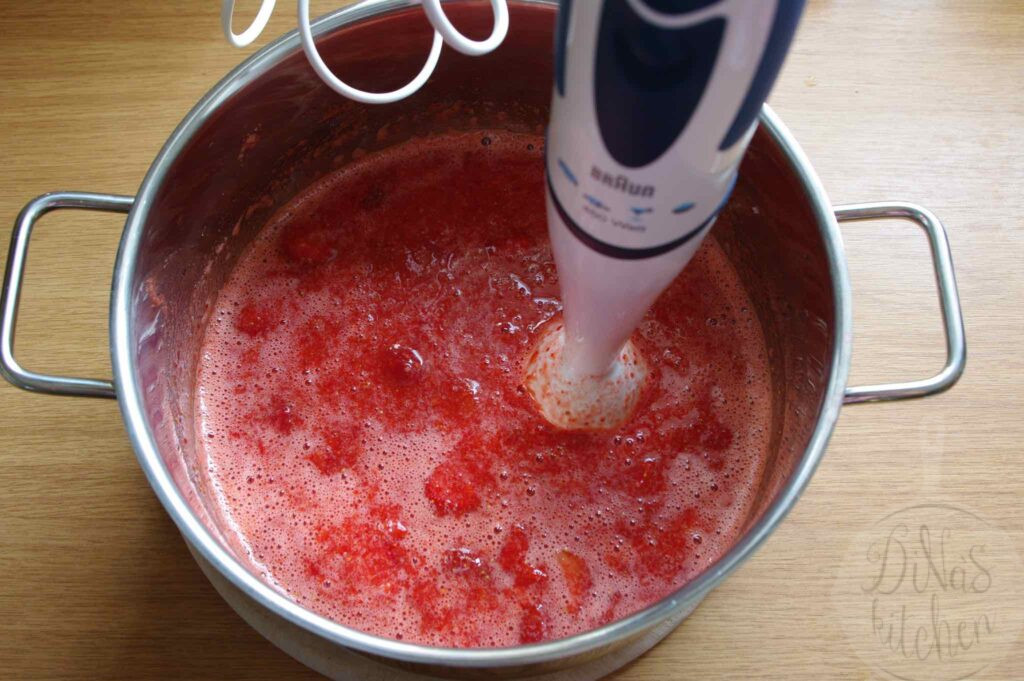
But I never make jam to last the whole year. I started this habit of freezing one-pound bags of strawberries, rhubarb and red currant years ago. That way I can make jam whenever my provision in the cellar calls for fresh supply. That allows me also to mix two kinds of fruits easily. I take two bags out of the freezer and transfer the unfrozen content into a large pot to which I add the required amount of sugar. Depending on the time of the year, I keep the pot at room temperature or in the fridge allowing the fruits to thaw out. I either cook the jam with the whole fruits, or I purée the fruits and sugar with a stand mixer to get a smoother mixture.
Reducing cooking time and sugar
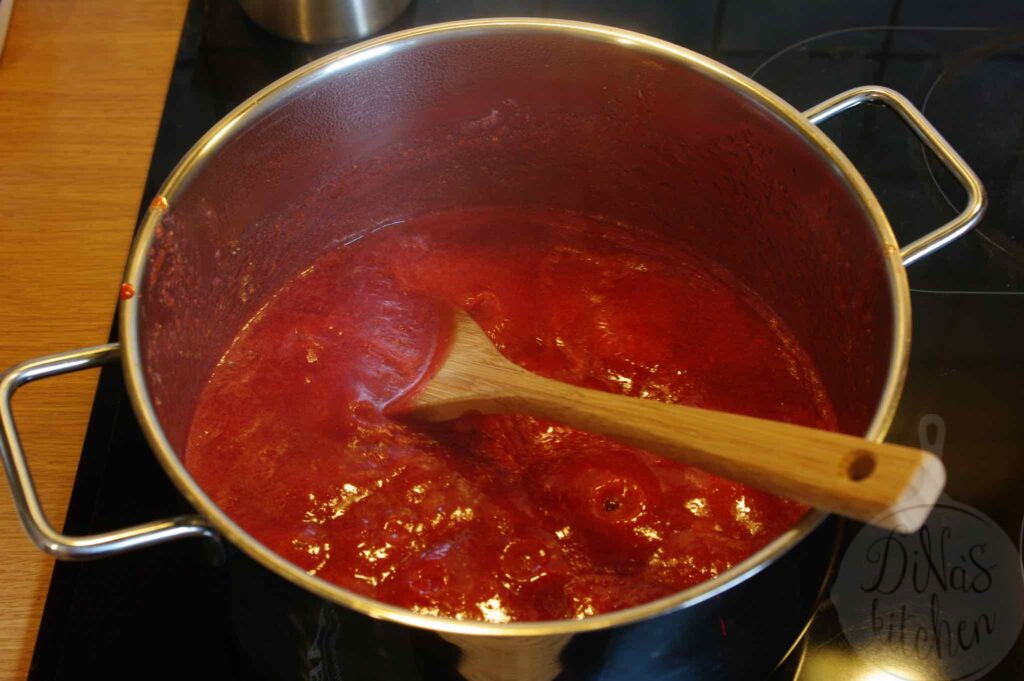
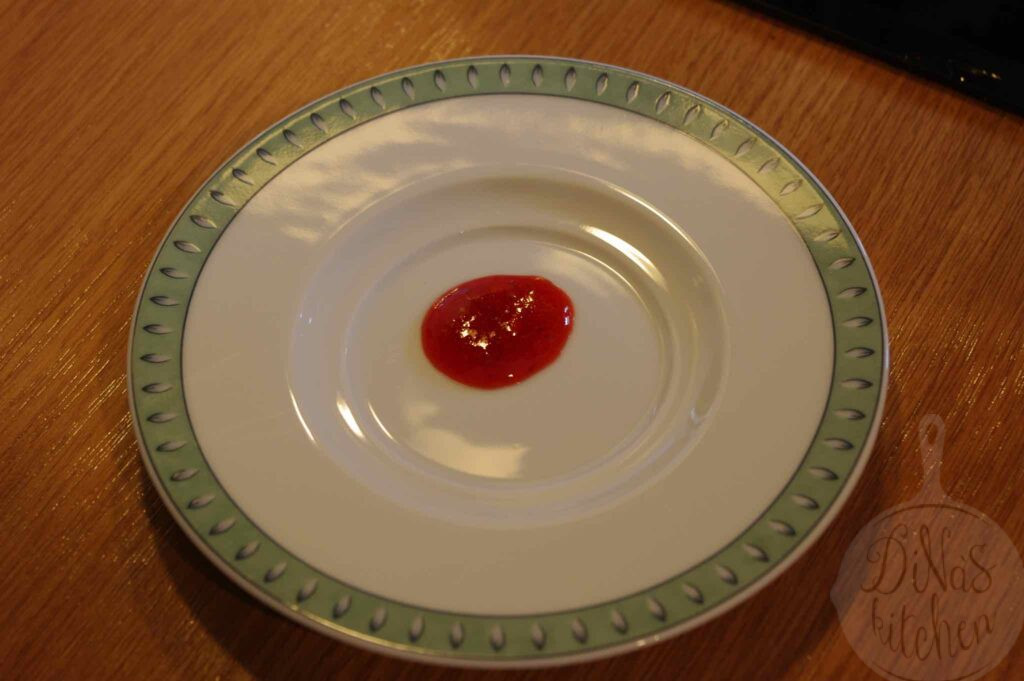
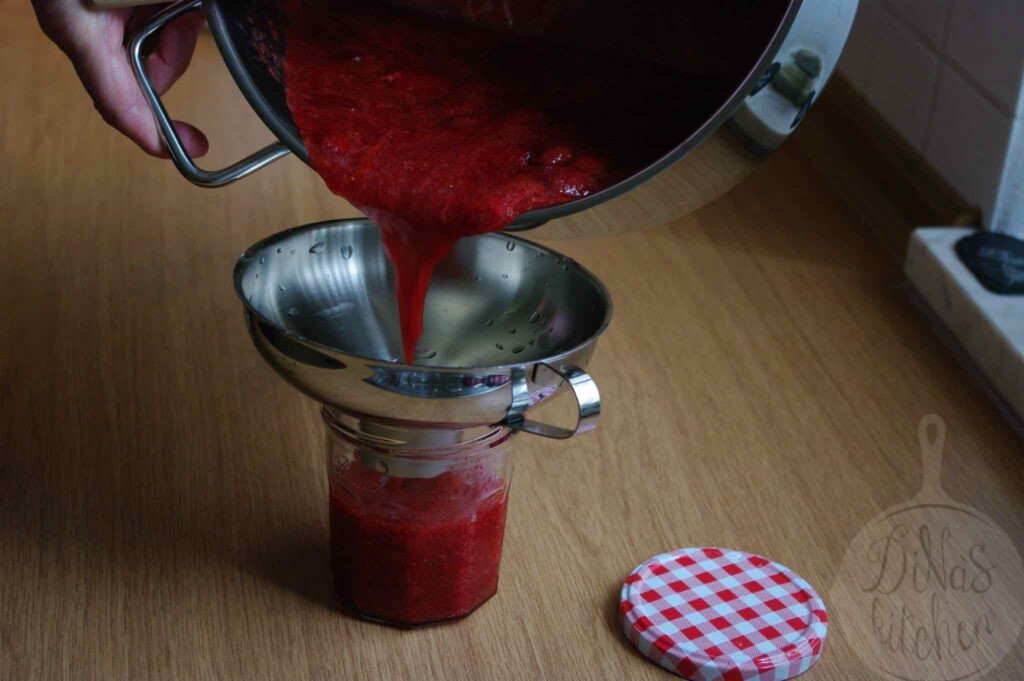
What makes jam making agreeable in Germany is that we use jelly sugar that contains pectin as a gelling agent. That way not only cooking time is extremely reduced, but you can also reduce the amount of sugar by half or third of the amount. I only need to stir on high heat until reaching boiling point and keep cooking for about 4 minutes until the jam reaches the right consistency and firmness. At this point I do the jam test by pouring a drop of the jam onto a saucer. It should be firm enough to hold on the plate. I instantly fill sterilized jars with hot jam; seal with the lid tightly and immediately turn upside down to create a vacuum. You’d better not handle the jars with bare hands like me (I have become immune); they are extremely hot!
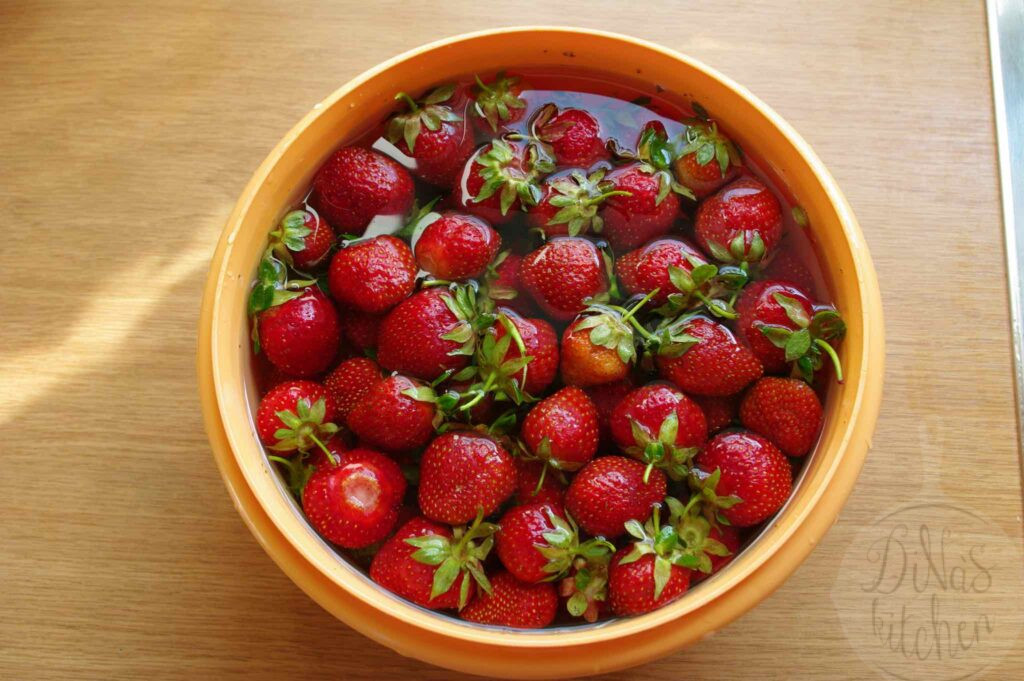
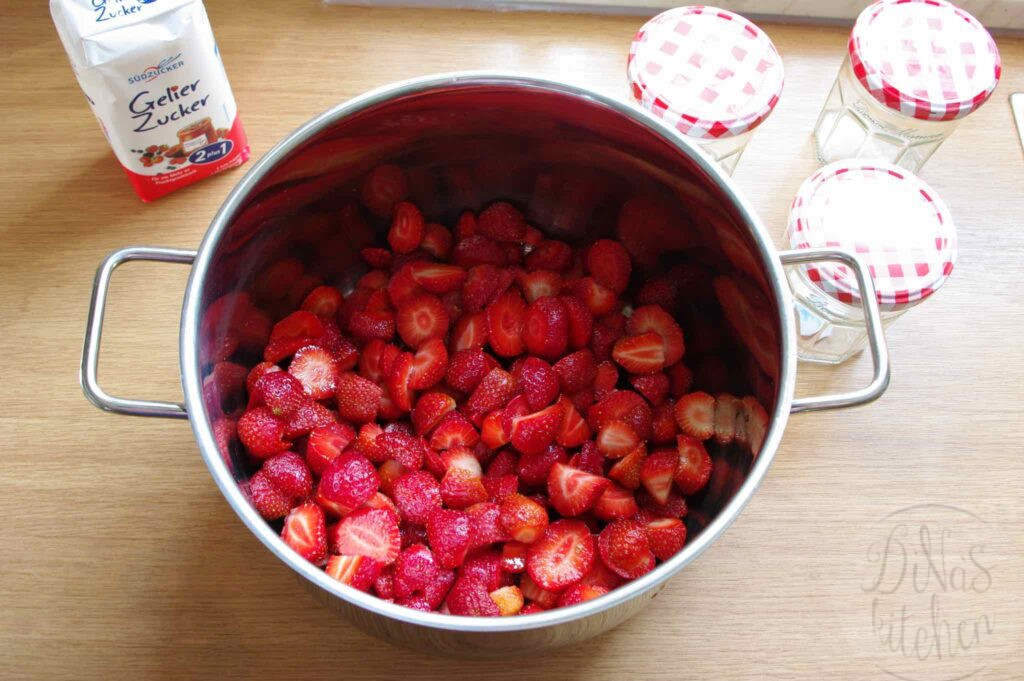
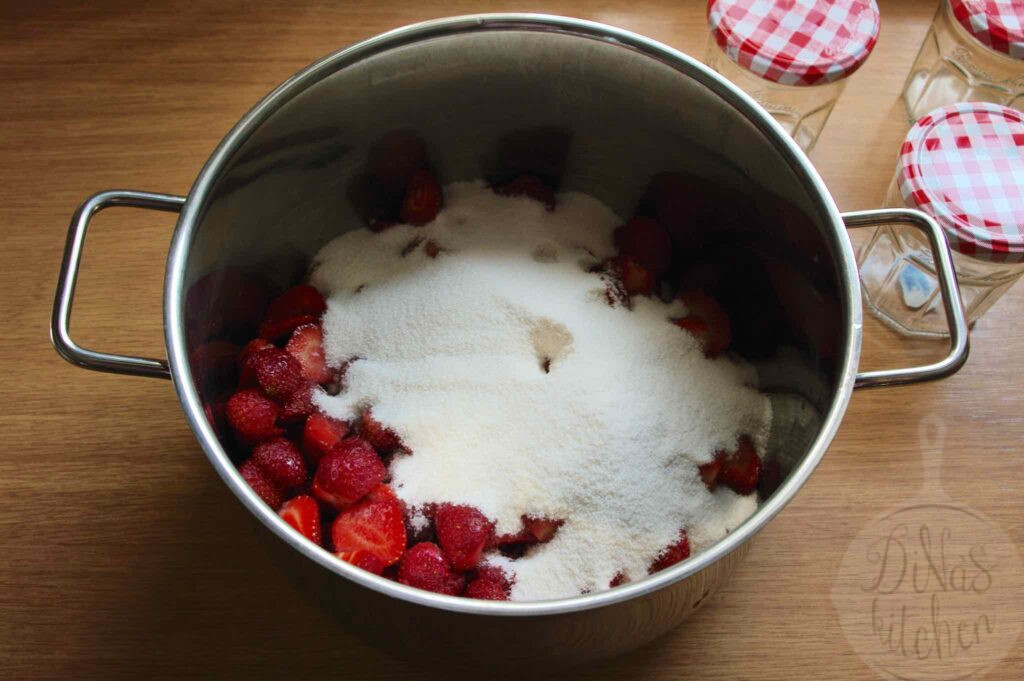
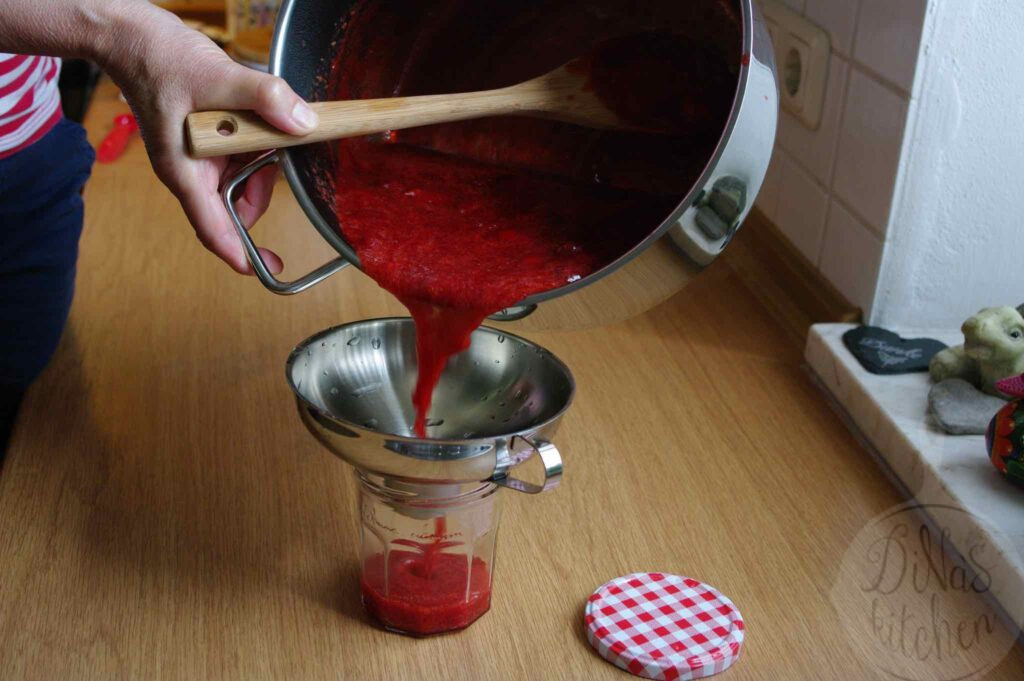
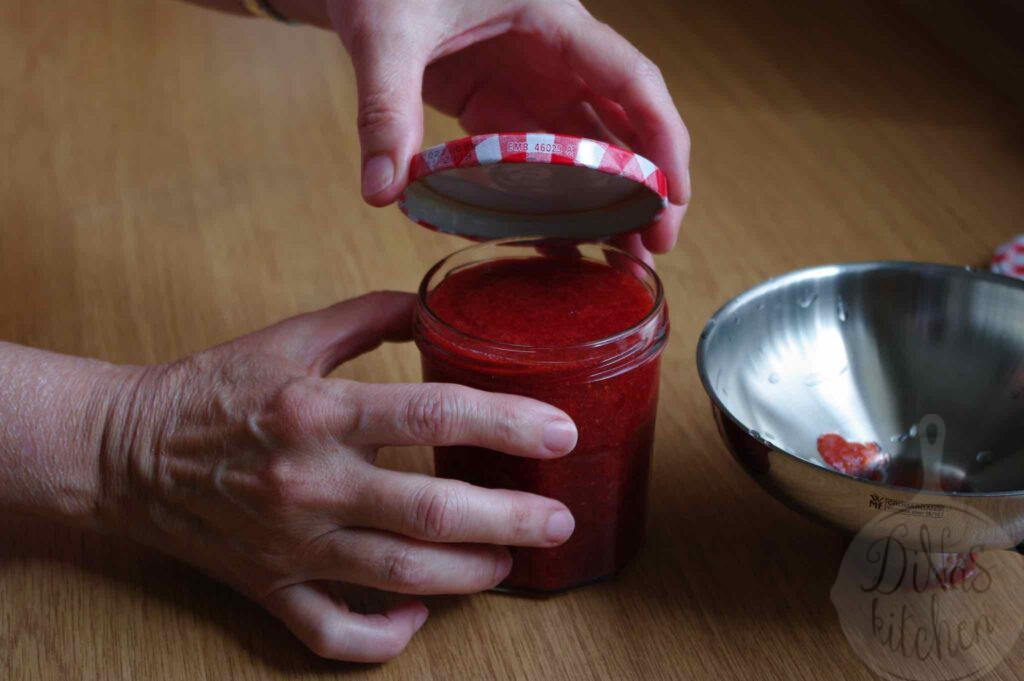
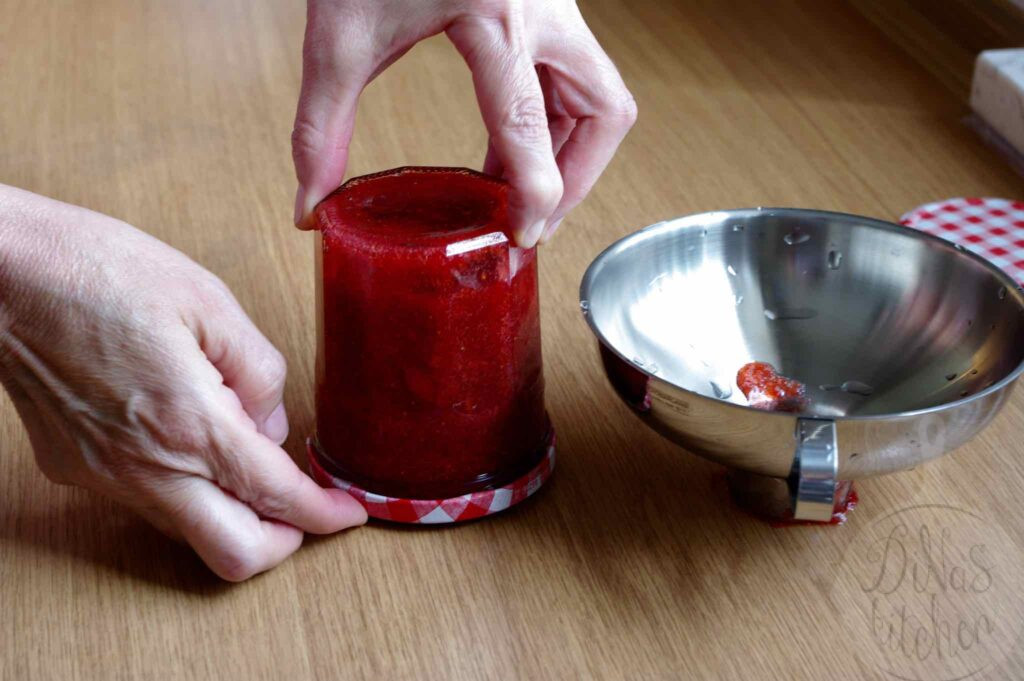
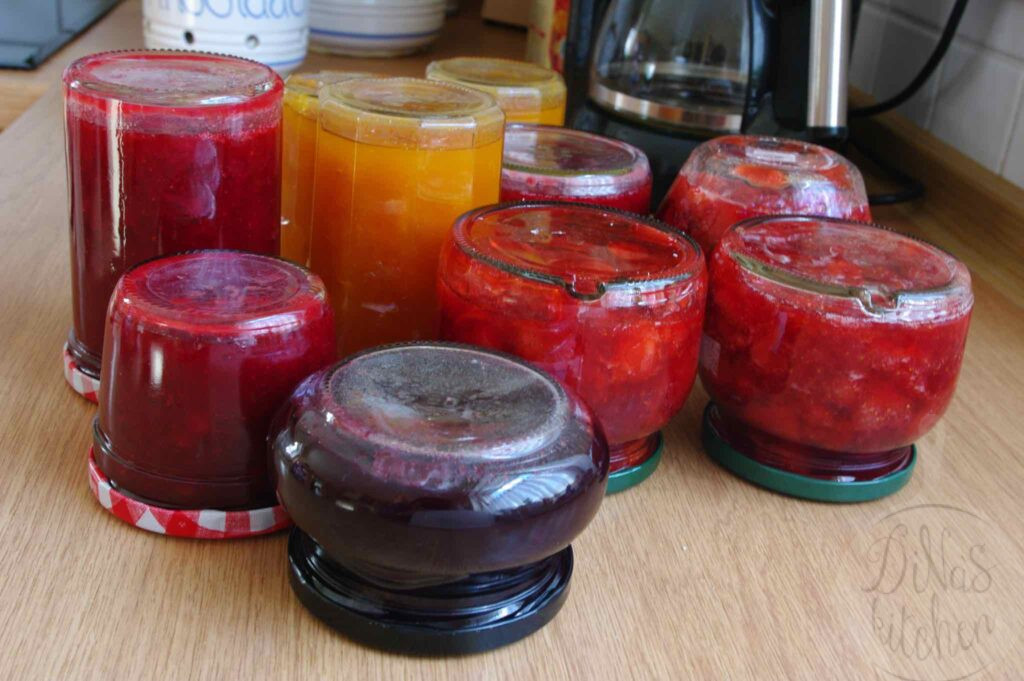
Beyond any doubt jam making consumes time, but it is enjoyable. Your reward is your shelf full of different jars and the constant demand for your exquisite produce.
Leave a Reply