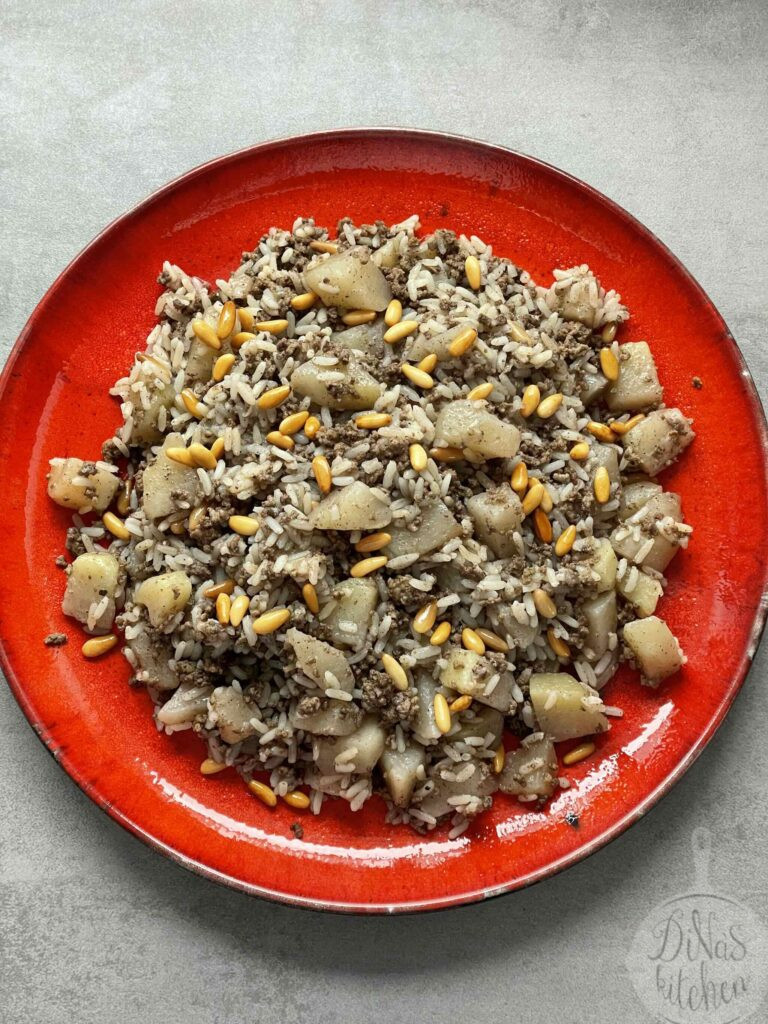
I first discovered kohlrabi, also known as German turnip, in Germany 39 years ago. I couldn’t remember having it in Lebanon when I was young. In Lebanon, today, it is available when in season and it is mostly eaten raw.
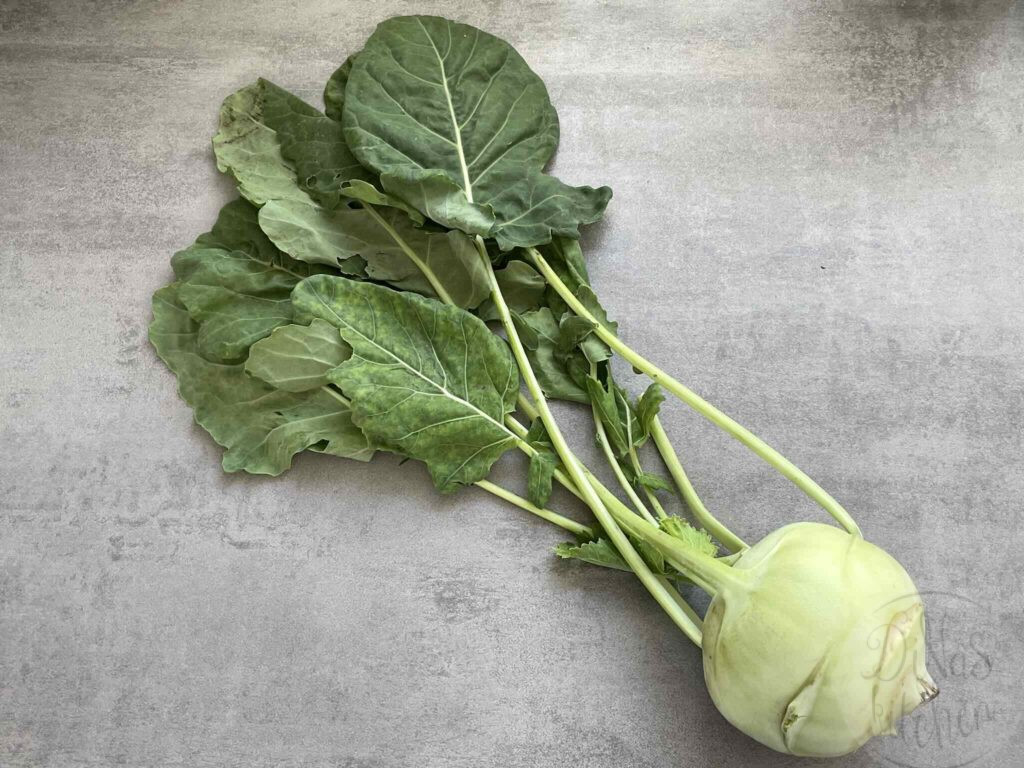
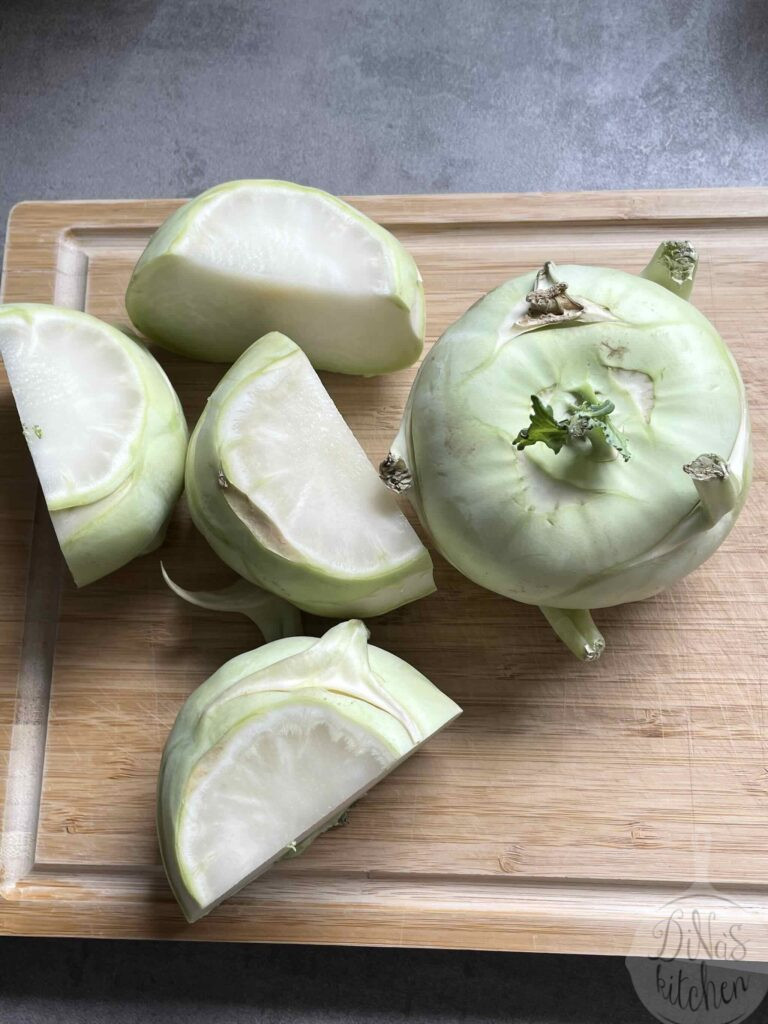
Discovering kohlrabi
Kohlrabi tastes like cabbage but has a pleasant mild and sweet flavour. Its culinary use is numerous. Germans love their kohlrabi. They nibble on it raw or shave it in salads. Some make a creamy soup with it or serve it steamed as a side.
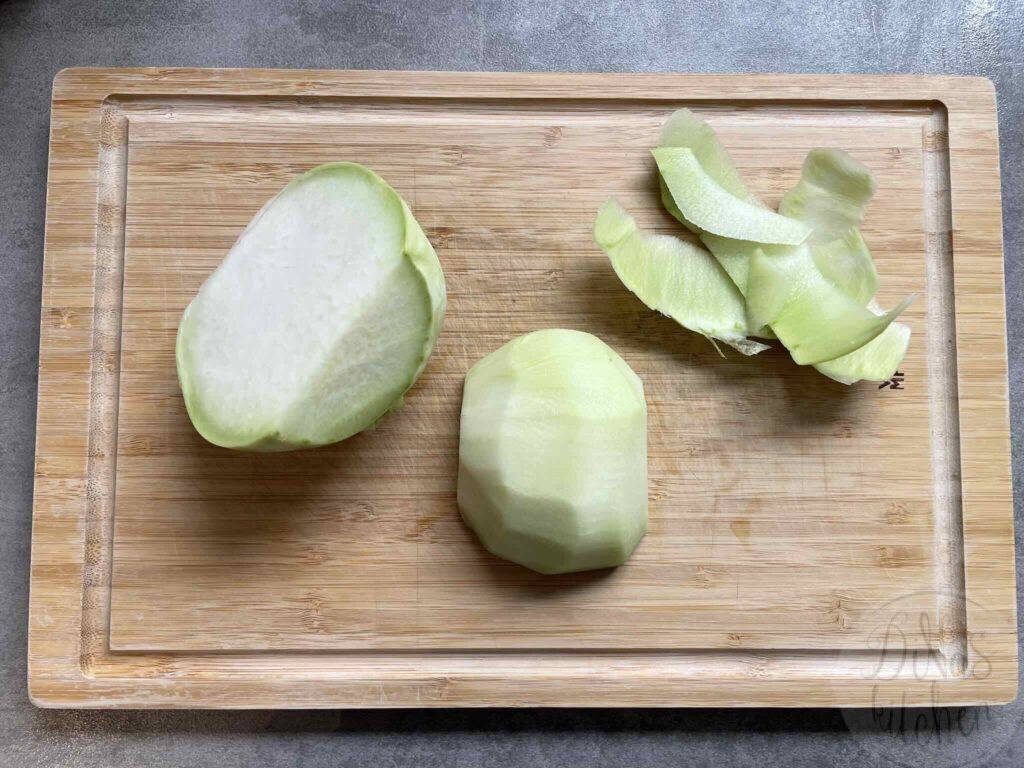
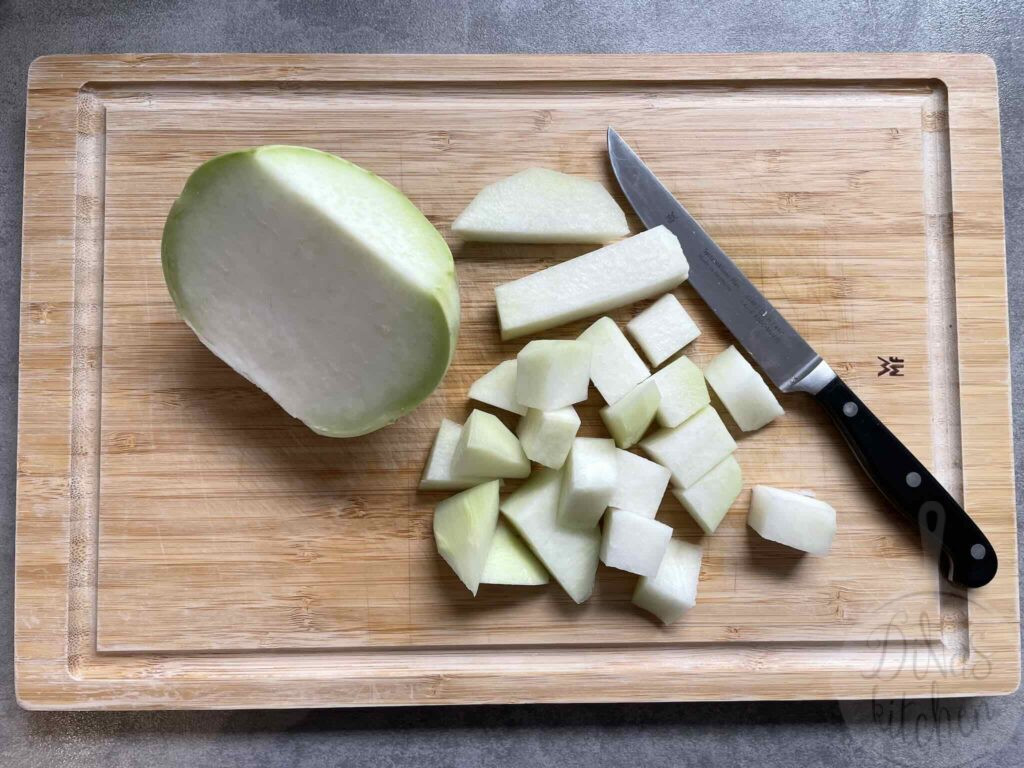
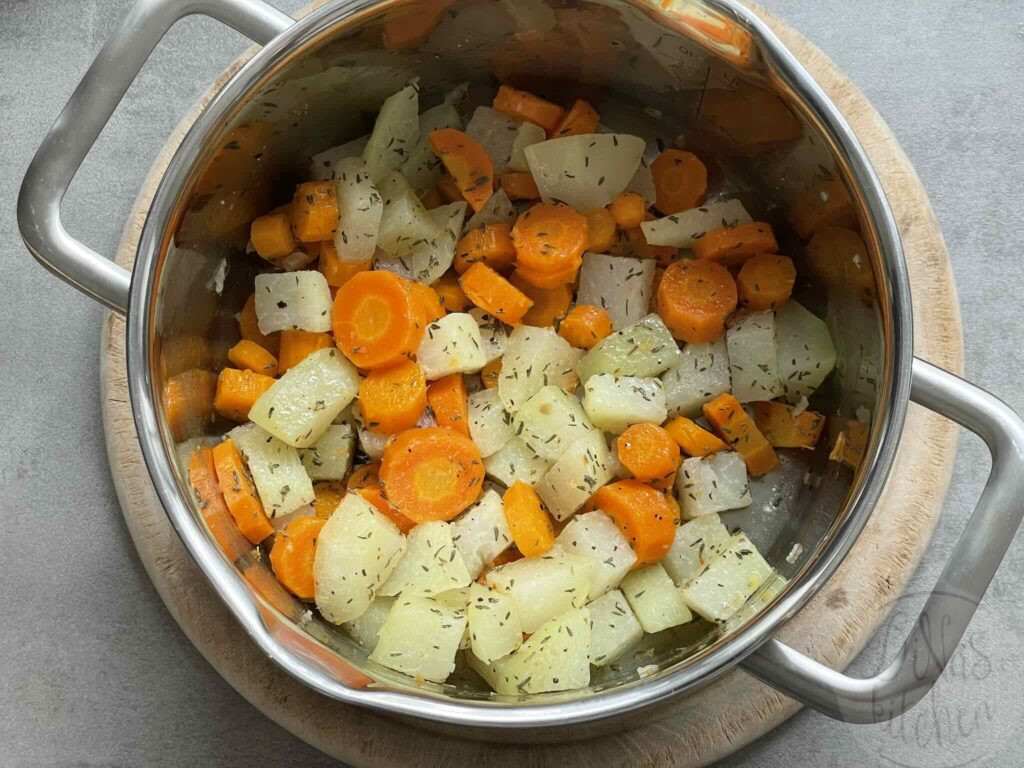
When I first saw it in the supermarket, it reminded me of an artichoke although they have nothing in common. Artichokes were a rarity in Germany at that time, some 25 years ago, and I was missing my mother’s yakhnet el ardishoki (lamb stew with artichokes). The latter is one of the rare stews with lemony white sauce, my favourite! Examining the bulb of the kohlrabi closely without knowing exactly how it tasted, I decided this vegetable will do the job for the artichoke!
As I needed a new recipe for my cooking course, I grabbed 3 large kohlrabi and headed home. Relying on my intuition, I created a new dish; “yakhni kohlrabi”, a delicious lemony lamb stew that tasted so good, and so more like cabbage than like artichokes! I loved it!
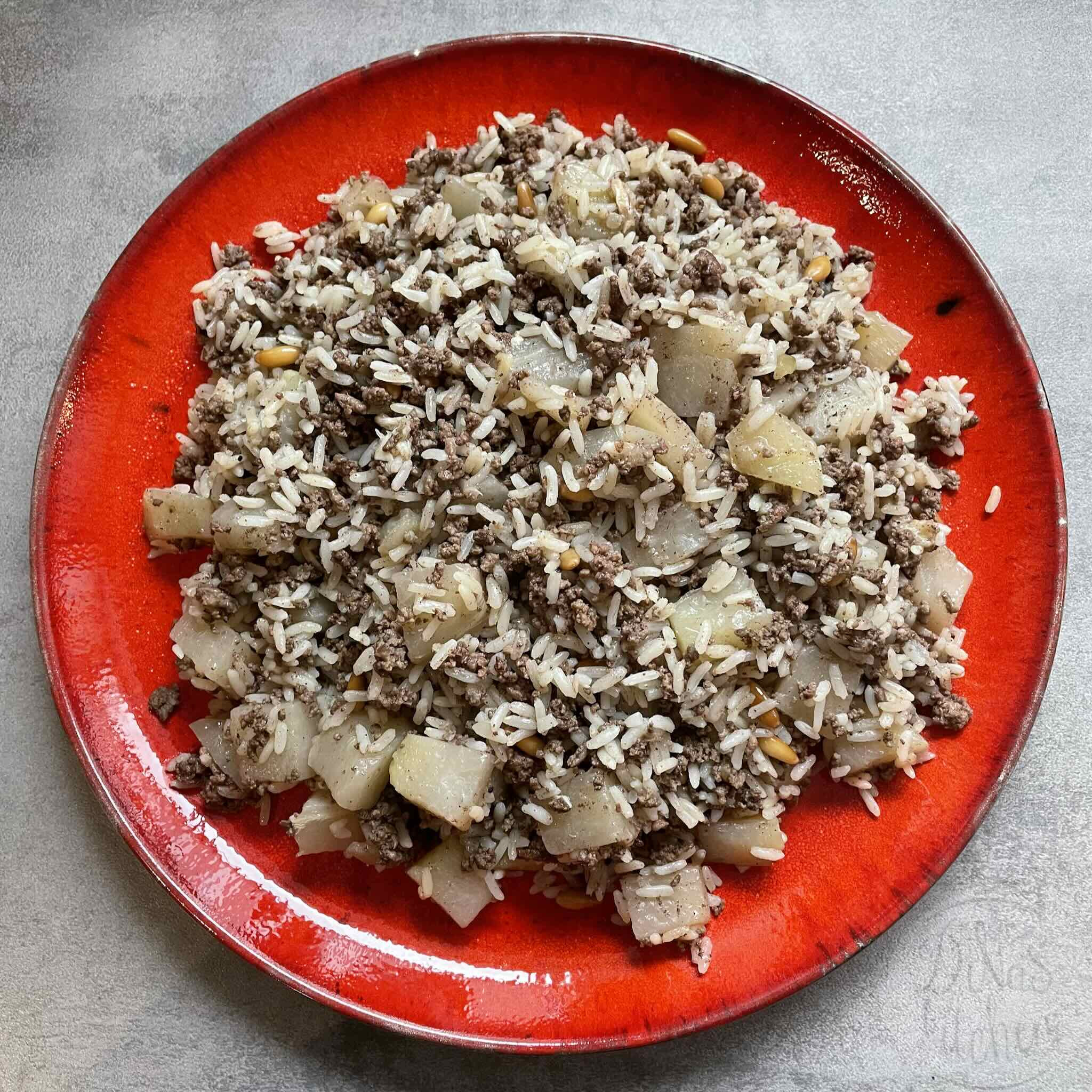
Recently I stumbled over this dish on the internet. I was surprised that Kohlrabi is cooked in Syrian food. This dish is called shilbato in Syria. In Lebanon, as well as in Syria and much of the Arab world, we make “hashwe”, a rice-meat pilaf garnished with nuts and served alone or with roasted chicken or lamb. Shilbato integrates kohlrabi in this hashwe, making it a wholesome and satisfying meal.
Health benefits
Kohlrabi’s health benefits are enormous. It is an excellent source of vitamin C, vitamin B6 and potassium. One cup of kohlrabi can provide 17% of your daily fibre needs, and helps support gut health and regulates blood sugar.

Ingredients
Method
- In a large pot heat the olive oil over medium heat and add the onions and garlic. Cook for about 5 minutes until wilted and golden in colour. Mix in the kohlrabi, salt and spices and cook for 5 minutes. Pour in the hot water and cook, covered, for about 30 minutes or until kohlrabi is tender.
- In a large frying pan heat 3 tablespoons sunflower oil over medium heat and cook the nuts, stirring all the time, for about 3 minutes or until golden in colour. Remove with a slotted spoon onto a plate. Reserve.
- Add the meat to the same frying pan, salt and spices and cook over medium-high heat for about 10 minutes or until the meat is done, stirring constantly. Mix in half of the pine nuts.
- Add the meat and drained rice to the tender kohlrabi. Pour in the hot water and bring to a boil. Adjust taste at this point. Cover and continue cooking over medium-low heat for about 20 minutes or until rice is done and all the water is absorbed. Remove from heat and let stand for 10 minutes.
- Garnish with the rest of the pine nuts and serve hot with a squeeze of lemon and some plain yoghurt.
Leave a Reply